How to Do Reverse Curls
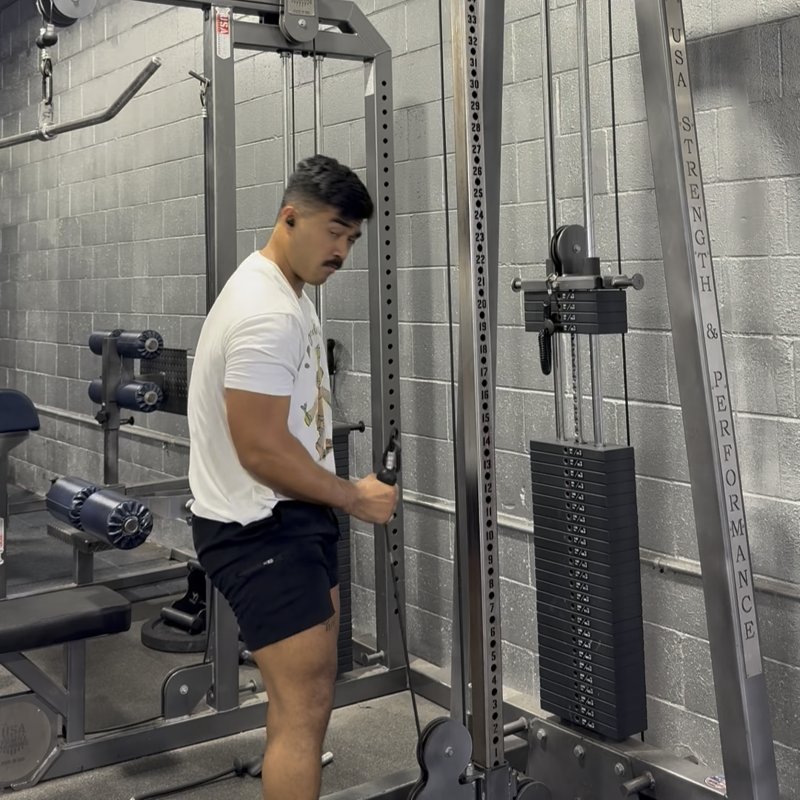
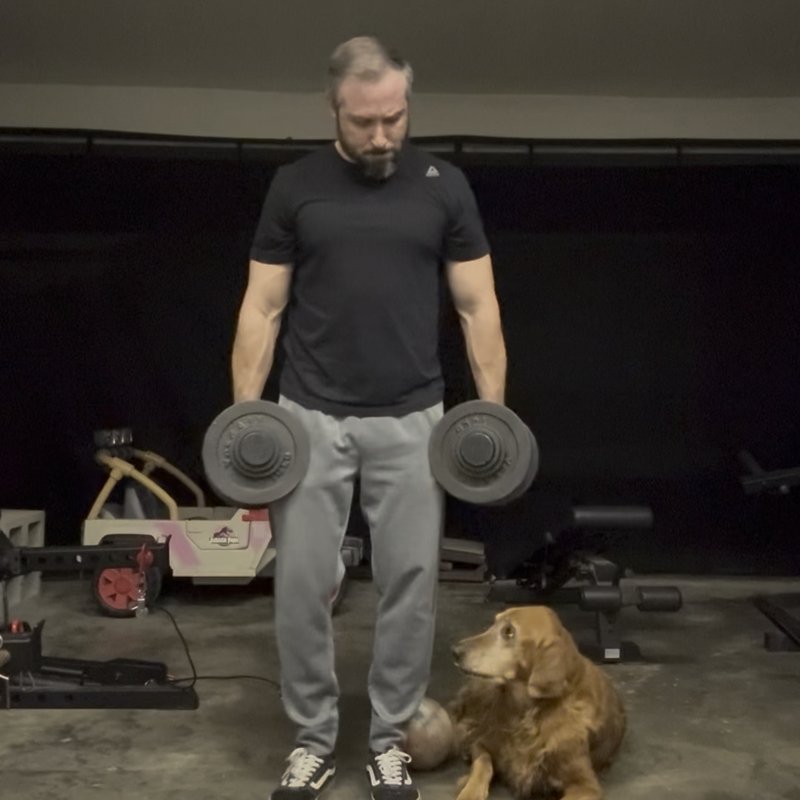
A reverse curl is a barbell curl with your palms facing down. Hold the bar overhand at shoulder width, keep your elbows at your sides and curl it toward your shoulders. It trains the elbow flexors (the brachialis, the brachioradialis and the biceps) while the muscles on the back of your forearm hold your wrists straight. It is your weakest curl grip, so expect to use much less weight than in a regular curl. Most lifters do 3 sets of 10 to 15 reps.
How to do a reverse curl
- Stand tall with your feet hip-width apart. Hold the bar with an overhand grip, palms facing down, hands about shoulder-width apart and thumbs wrapped around the bar.
- Let the bar hang against your thighs with your arms straight. Pin your elbows to your sides.
- Keep your wrists straight, with your knuckles in line with your forearms, and curl the bar up by bending only at the elbows.
- Stop when your forearms are close to vertical, before your elbows start to move forward. Your knuckles should still point up and forward, not down.
- Lower over 2 to 3 seconds until your arms are fully straight.
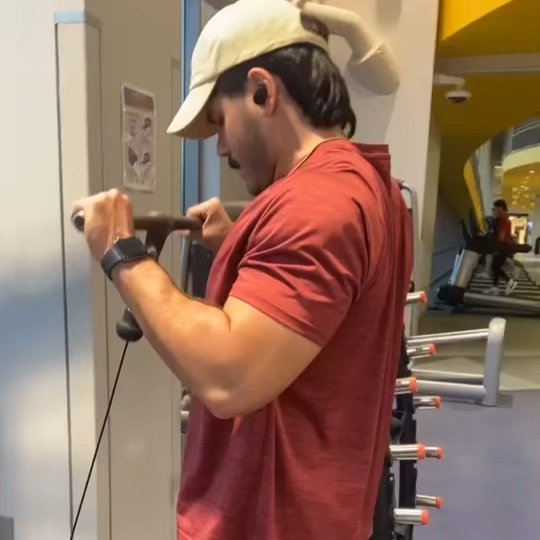
Straight bar, EZ bar, cable or dumbbells
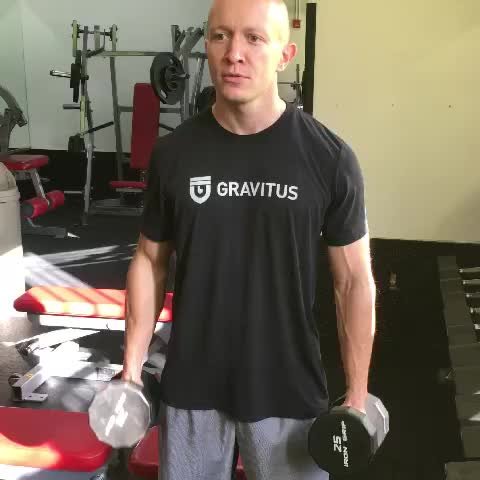
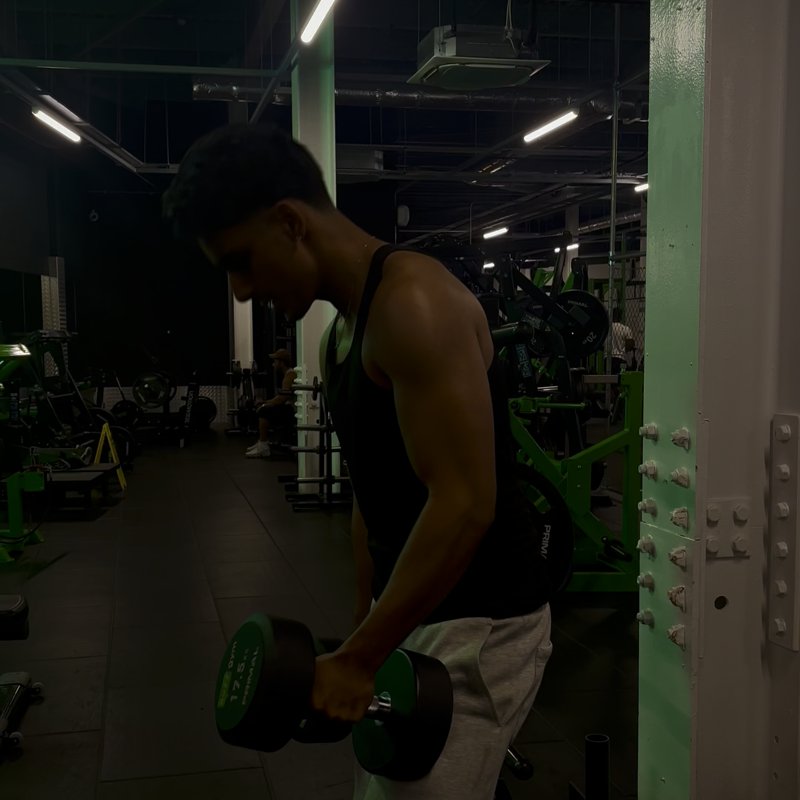
No study has compared these versions. All of them keep your palms down, which is what makes it a reverse curl, so pick the one your wrists and elbows tolerate.
How much weight should you reverse curl?
On Gravitus, the median man lifts 50 lb (22.5 kg) for 10 reps on the reverse curl, and the median woman 30 lb (14 kg).
- Most lift
- 40 to 60 lb
- Top 10% lift
- 70 lb or more
- Starting out
- under 40 lb
- Most lift
- 22.5 to 32.5 lb
- Top 10% lift
- 45 lb or more
- Starting out
- under 22.5 lb
- Most lift
- 18 to 27.5 kg
- Top 10% lift
- 32.5 kg or more
- Starting out
- under 18 kg
- Most lift
- 10 to 15 kg
- Top 10% lift
- 20 kg or more
- Starting out
- under 10 kg
Reverse curl vs regular curl: what the research says
Palms down is the weakest way to curl. In 11 men, maximal elbow flexion force palms down was about half of palms up or palms in (Kohn 2018). Turning your palm down wraps the biceps tendon around the forearm bone and costs it leverage, so the other elbow flexors have to carry more of the load.
At the same effort, the biceps still works. Competitive bodybuilders curled their own 8-rep max with each grip: palms up drew 19% more biceps activity than palms down, and 5% more brachioradialis activity. The front delts worked 6% harder palms down, holding the upper arm in place (Coratella 2023).
Two common claims the research does not back:
- Reverse curls work the brachioradialis harder than regular curls. At the same effort it was slightly more active palms up (Coratella 2023). In slow curls without added weight, the brachioradialis took a bigger share of the work palms down, because the biceps was at a disadvantage (Kleiber 2015). It takes a bigger share of a smaller load.
- Reverse curls target the brachialis. The brachialis works in every curl. It attaches to the ulna, the forearm bone that does not rotate, so turning your palm down does not change its leverage. No study we found has measured it in a reverse curl.
Muscles worked
Reverse curl vs hammer curl vs barbell curl
| Attribute | Reverse curl | Hammer curl | Barbell curl |
|---|---|---|---|
| Palms | Facing down | Facing in | Facing up |
| Strength | About half | Strongest | Close to palms in |
| Biceps activity | 19% below palms up | 12% below palms up | Highest |
| Brachioradialis activity | 5% below palms up | 6% below palms up | Highest |
| Best for | Wrist extensors, variety | Most weight, sore wrists | Most biceps work |
Reverse curl vs hammer curl: brachioradialis activity was about the same in both, and you are about twice as strong palms in (Kohn 2018, Coratella 2023). Use the hammer curl to load your elbow flexors heavier, and the reverse curl when you also want your wrist extensors working. In the activity study, the palms-in curl used a rope, not dumbbells.
Sets, reps and progression
Do reverse curls at the end of an arm or pull session. Stop each set 1 to 2 reps short of failure, or sooner if your wrists start to bend. Sets taken close to failure build muscle across a wide range of reps (Schoenfeld 2021), so pick a weight you can curl with straight wrists.
Add reps first. When every set reaches 15 clean reps, add 5 lb (2.5 kg) to the bar and drop back to 10.
Common mistakes
-
Wrists bending downIf your knuckles drop as you curl, the weight is too heavy for your wrist extensors. Go lighter or switch to an EZ bar.
-
Swinging the torsoYour hips and back lift the bar instead of your arms. Stand still and go lighter.
-
Elbows drifting forwardYour front delts take over. Keep your elbows at your sides and stop when your forearms reach vertical.
-
A thumbless gripThe bar can roll out of your hands palms down. Wrap your thumbs around it.
-
Stopping short at the bottomStraighten your arms fully on every rep, then curl again.
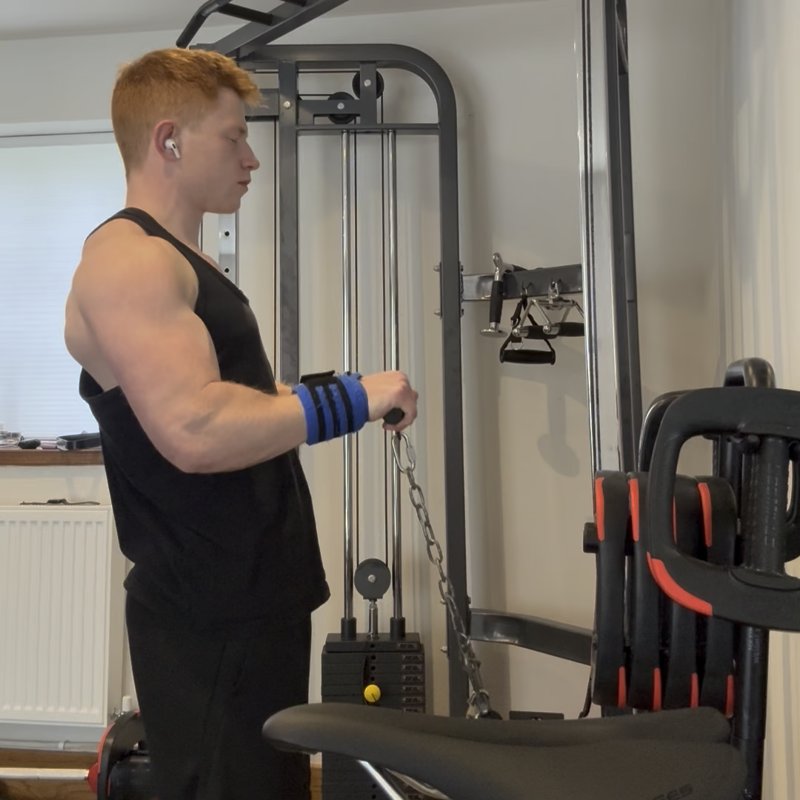
Reverse curl variations
Questions people ask
What muscles do reverse curls work?
The brachialis, the brachioradialis and the biceps, which all bend the elbow. The wrist extensors on the back of your forearm hold your wrists straight, and your front delts hold your upper arms still.
What are the benefits of reverse curls?
They train all three elbow flexors in the grip where the biceps has the least leverage, so the brachialis and brachioradialis carry a bigger share. They make your wrist extensors work to hold the bar, which regular curls do not. And they add a different grip, which the authors of the main grip study recommend for variety (Coratella 2023).
Are reverse curls good for forearms?
Yes, for the brachioradialis and the wrist extensors on the top of the forearm. For the palm side of the forearm, add wrist curls.
Reverse curl vs hammer curl, which is better?
Neither, they do different jobs. Brachioradialis activity was about the same in both (Coratella 2023), but you are about twice as strong palms in (Kohn 2018), so hammer curls load the elbow flexors heavier. Reverse curls also work your wrist extensors.
Why are reverse curls so hard?
Palms down is the weakest curl grip. Elbow flexion force palms down was about half of palms up or palms in, partly because the biceps loses leverage when the forearm turns (Kohn 2018).
Are reverse curls bad for your wrists?
No study has linked them to wrist injury. Holding your wrists straight palms down is hard, so start light. If a straight bar bothers your wrists, use an EZ bar or dumbbells.
How much weight should I reverse curl?
For 10 reps, the median on Gravitus is 50 lb (22.5 kg) for men and 30 lb (14 kg) for women. The strongest quarter lifts 60 lb (27.5 kg) and 32.5 lb (15 kg) or more.
Log every set and see your percentile on every lift, reverse curl included.
Get Gravitus