How to Do Dumbbell Flys
A dumbbell fly, also called a chest fly, is a chest isolation exercise done lying on a bench. Hold a dumbbell in each hand over your chest, keep a slight fixed bend in your elbows and open your arms out wide in an arc, then bring them back together. It trains the chest, with the front delts helping. Most lifters do 3 sets of 10 to 15 reps.
How to do a dumbbell fly
- Sit on the end of a flat bench with a dumbbell on each thigh. Lie back and bring the dumbbells to your chest, then press them up over your chest with your palms facing each other.
- Plant your feet on the floor, pull your shoulder blades back and down, and keep your head, upper back and hips on the bench.
- Unlock your elbows slightly and keep that bend for the whole set.
- Open your arms out to the sides over 2 to 3 seconds, until your upper arms are about level with the bench and you feel a stretch across your chest.
- Sweep the dumbbells back up along the same arc until they are over your chest. Stop before they touch, then start the next rep.
Where the dumbbell fly is hardest
A dumbbell pulls straight down, so it only loads your chest when your arms are away from vertical. With the dumbbells over your chest it has no leverage at all. It gets heavier as your arms open, and is hardest with your upper arms level with the bench, where your chest is most stretched.
Stop when your upper arms are about level with the bench, or sooner if the front of your shoulder pinches. The top of the rep is close to unloaded, so there is no need to squeeze the dumbbells together.
Flat, incline or decline
No study has measured the chest at different bench angles on the fly itself, so these come from a bench press study of five angles in 30 trained adults (Rodríguez-Ridao 2020). Start flat, and add incline flys if your upper chest lags.
How much weight should you use for dumbbell flys?
On Gravitus, the median man lifts 30 lb (14 kg) per dumbbell for 10 reps on the dumbbell fly, and the median woman 20 lb (9 kg).
- Most lift
- 25 to 40 lb
- Top 10% lift
- 55 lb or more
- Starting out
- under 25 lb
- Most lift
- 17.5 to 27.5 lb
- Top 10% lift
- 35 lb or more
- Starting out
- under 17.5 lb
- Most lift
- 11 to 18 kg
- Top 10% lift
- 25 kg or more
- Starting out
- under 11 kg
- Most lift
- 7 to 12 kg
- Top 10% lift
- 16 kg or more
- Starting out
- under 7 kg
Muscles worked
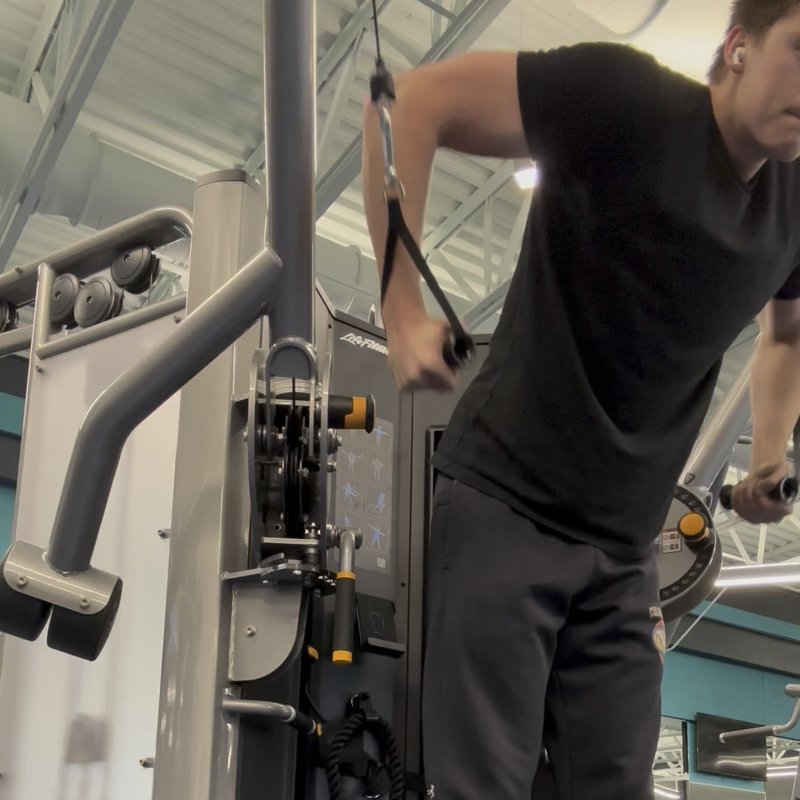
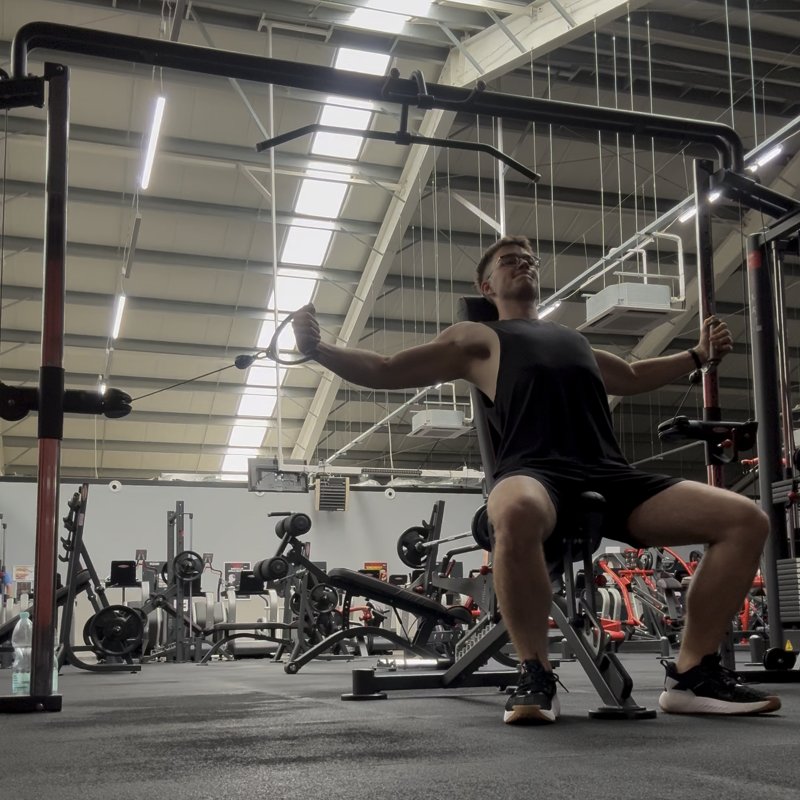
Dumbbell fly vs cable fly vs machine fly
| Attribute | Dumbbell fly | Cable fly | Machine fly |
|---|---|---|---|
| Hardest point | In the stretch, nothing at the top | Set by pulley height, still pulling at the top | Set by the machine |
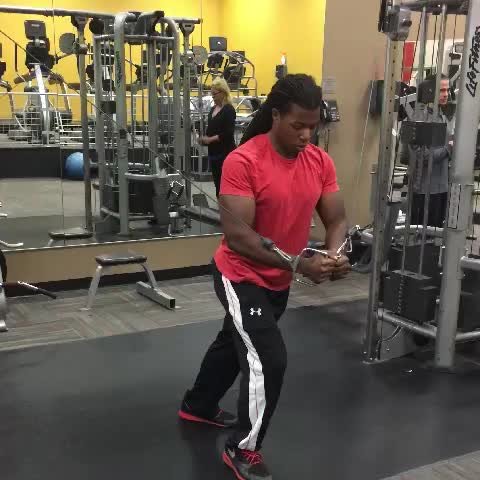
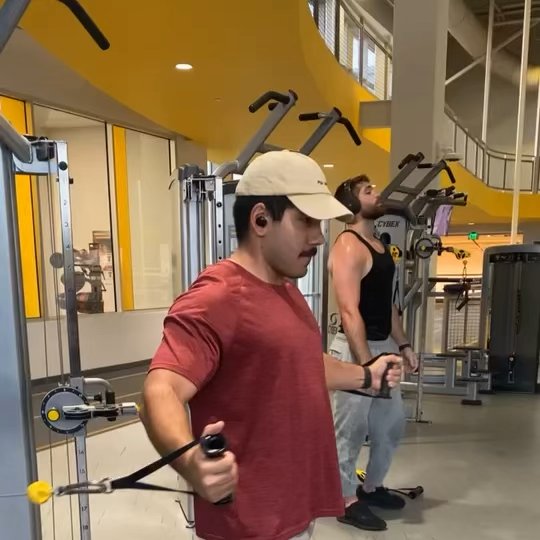
| Angles | Flat, incline or decline bench | High, mid or low, one or two arms | One fixed path |
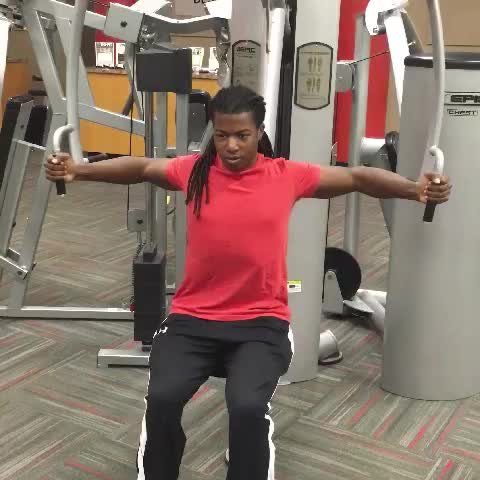
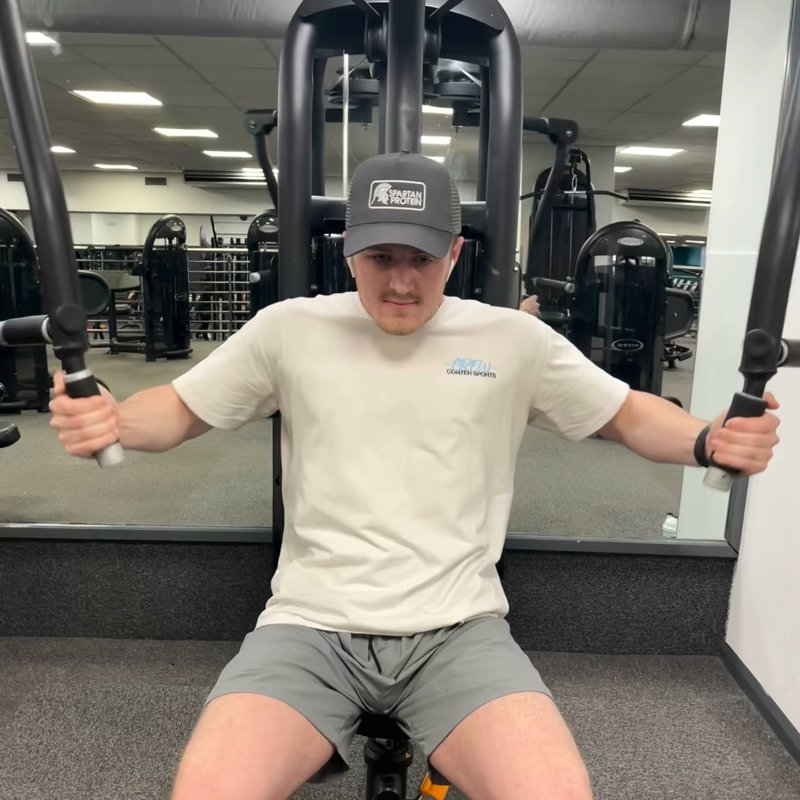
| Equipment | Two dumbbells, a bench | Cable station | Pec deck or fly machine |
| Best for | Loading the stretch at home or in a busy gym | Choosing the angle, load at the squeeze | Taking sets to failure safely |
All three train the chest, and no study has compared them for growth. In one master's thesis, incline dumbbell flys drew less chest activity than cable crossovers, the pec deck and the bench press (Schanke 2012). Use the dumbbell fly to load the stretch, and a cable fly or machine fly when you want tension where your hands meet.
Sets, reps and progression
Do flys after your presses. Pressing drew more chest activity than the fly in trained men (Solstad 2020), so the fly works best as the second chest exercise, not the first. Stop each set 0 to 2 reps short of failure. Sets taken close to failure build muscle across a wide range of reps (Schoenfeld 2021), so pick a range you can keep strict through the stretch.
Dumbbell jumps are 5 lb (2.5 kg) per hand at most gyms, a big step on a light lift. Add reps first: when every set reaches 15 with the same elbow bend, move up one dumbbell and drop back to 10.
Common mistakes
-
Bending and straightening the elbowsThe fly turns into a press. Set a slight bend at the top and keep it for the whole rep.
-
Going too heavyA weight you have to press up is too heavy for a fly. Go lighter until the elbow bend stays fixed.
-
Dropping too deepStop with your upper arms about level with the bench, or sooner if the front of your shoulder pinches.
-
Clanking the dumbbells at the topThere is no load there. Stop a few inches apart and start the next rep.
-
Shoulders rolling forwardKeep your shoulder blades back and down on the bench so your chest, not your front delts, does the work.
-
Dropping the dumbbells at the endBring them back over your chest, lower them to your thighs, then sit up. Do not drop them out wide.
Dumbbell fly variations
Questions people ask
What are the benefits of dumbbell flys?
They train the chest without the triceps, so a press that tires your arms first does not limit your chest. The load is heaviest in the stretch, with your arms out wide. And they need only two dumbbells and a bench. Pressing drew more chest activity in trained men (Solstad 2020), so use flys alongside presses, not instead of them.
What muscles do dumbbell flys work?
The chest (pectoralis major), with the front delts helping. The biceps hold the elbow bend and worked harder in the fly than in the bench press (Solstad 2020).
Is dumbbell fly better than cable fly?
No study has compared them for growth. The dumbbell fly loads the stretch and goes slack at the top. The cable fly keeps pulling where your hands meet and lets you change the angle. Do whichever you can keep progressing, or both.
Is the incline dumbbell fly better for upper chest?
Likely, at about 30 degrees. In a bench press study, upper chest activity peaked at a 30 degree incline and steeper angles shifted work to the front delts (Rodríguez-Ridao 2020). No study has measured bench angle on the fly itself.
Are dumbbell flys bad for your shoulders?
Not with sensible depth and weight. The strain comes from lowering past bench level or using a weight heavy enough that your elbows bend. Stop with your upper arms level with the bench and keep the weight light enough to hold a fixed bend.
Should dumbbell flys be heavy?
No. Use a weight you can control for 10 to 15 reps with a fixed elbow bend. If you have to press it up, it is too heavy for a fly.
How much weight should I use for dumbbell flys?
For 10 reps, the median on Gravitus is 30 lb (14 kg) per dumbbell for men and 20 lb (9 kg) for women. The strongest quarter lifts 40 lb (18 kg) and 27.5 lb (12 kg) or more.
Log every set and see your percentile on every lift, dumbbell fly included.
Get Gravitus