How to Do Dumbbell Skull Crushers
A dumbbell skull crusher is a lying triceps extension. Lie on a flat bench holding two dumbbells, palms facing. Keep your upper arms still and tilted slightly back, and bend your elbows to lower the dumbbells beside your head. It trains all three heads of the triceps. Most lifters do 3 to 4 sets of 8 to 15 reps.
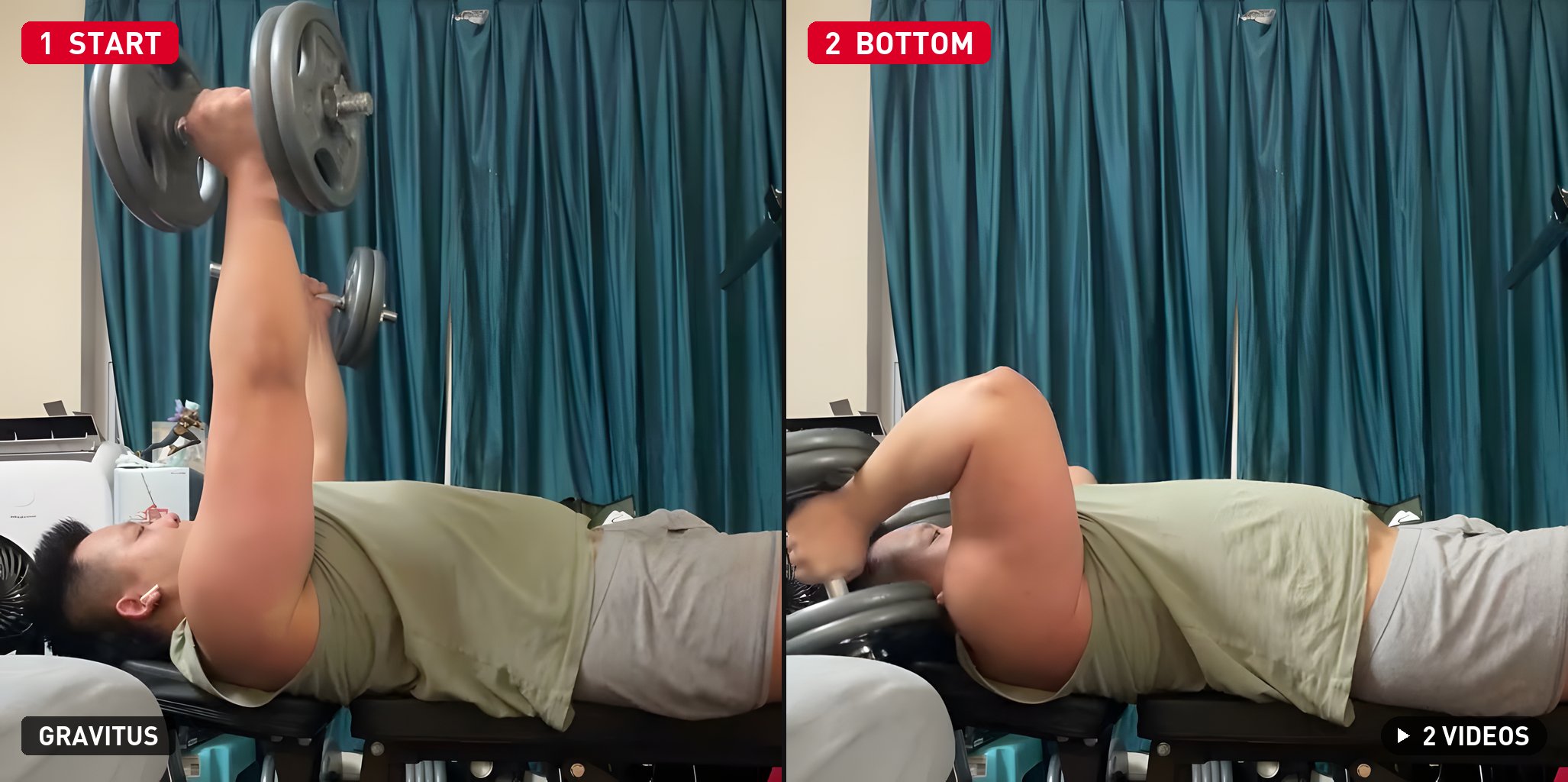
- 1Start. Lie on a flat bench with a dumbbell in each hand, palms facing. Arms straight over your shoulders, tilted slightly back toward your head.
- 2Bottom. Keep your upper arms still and bend your elbows to lower the dumbbells beside your head, then press them back up.
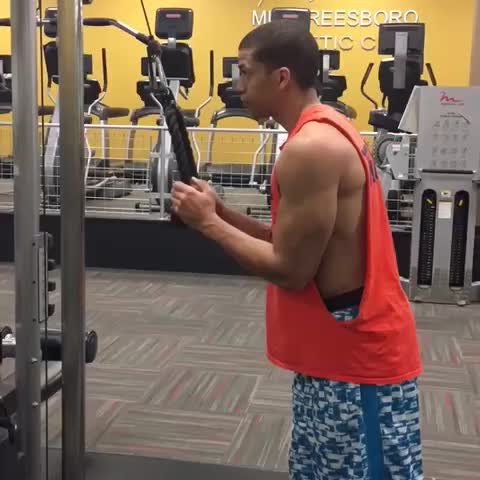
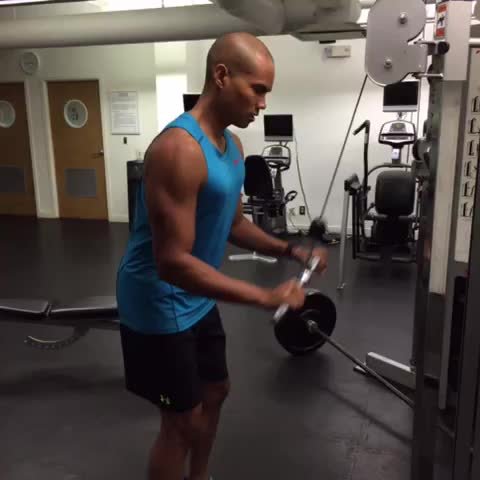
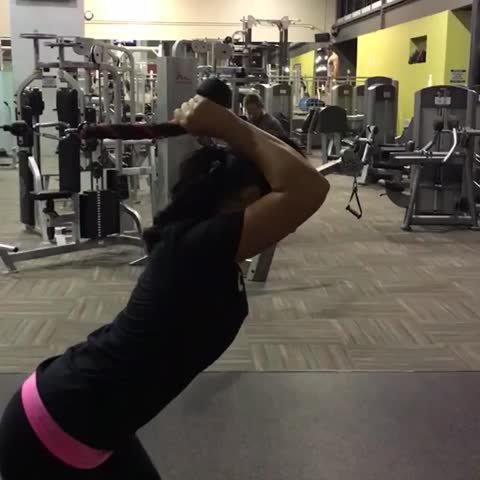
Watch 2 video demonstrations
How to do a dumbbell skull crusher
- Sit on the end of a flat bench with a dumbbell on each thigh. Lie back and press them up over your chest, palms facing each other.
- Plant your feet and keep your head, upper back and hips on the bench.
- Tilt your upper arms back toward your head, about 20 degrees past vertical, so the dumbbells sit over your forehead instead of your chest.
- Keep your upper arms still and bend only at the elbows. Lower the dumbbells over 2 seconds beside your head until they reach your ears.
- Straighten your elbows to press the dumbbells back to the start. Finish with straight arms; with your upper arms tilted back, the triceps still holds the weight at the top.
- After the last rep, bring the dumbbells down to your chest before you sit up.
Tilt your upper arms back
A dumbbell pulls straight down, so the load on your triceps depends on how far your forearms are from vertical. With your upper arms vertical, the dumbbells balance on straight arms at the top and the triceps rests. Tilt your upper arms back 20 degrees toward your head and the top of the rep stays loaded. A decline bench does the same: on a 20-degree decline, arms at right angles to your torso sit 20 degrees back from vertical.
Tilt your upper arms back and keep them there for the whole set, then straighten your arms fully at the top. In an EMG study of the lying dumbbell extension, triceps activity was lowest in the last third of the press (Alves 2018), the part of the rep that goes slack with vertical arms.
How much weight should you use for dumbbell skull crushers?
On Gravitus, the median man lifts 27.5 lb (13 kg) per dumbbell for 10 reps on the dumbbell skull crusher, and the median woman 20 lb (9 kg).
- Most lift
- 22.5 to 35 lb
- Top 10% lift
- 50 lb or more
- Starting out
- under 22.5 lb
- Most lift
- 17.5 to 27.5 lb
- Top 10% lift
- 32.5 lb or more
- Starting out
- under 17.5 lb
- Most lift
- 10 to 16 kg
- Top 10% lift
- 22.5 kg or more
- Starting out
- under 10 kg
- Most lift
- 7 to 12 kg
- Top 10% lift
- 15 kg or more
- Starting out
- under 7 kg
What the research says
Lying dumbbell extensions grow the triceps on their own. In Wakahara 2012, 12 men new to arm training did only a one-arm lying dumbbell extension, 5 sets of 8 at 80% of their one-rep max, 3 times a week for 12 weeks. The triceps grew along its whole length, least near the elbow, and their one-rep max rose 58%, from 11.0 to 17.3 kg (24 to 38 lb).
Overhead work may grow the triceps more. On a cable, overhead extensions grew the whole triceps 1.4 times more than pushdowns with the arm at the side (Maeo 2023). A skull crusher puts your upper arm at about 90 degrees, between the two, and no study has tested it against either for growth.
Four common claims the research does not back:
- Skull crushers target the long head because your arms are overhead. Lying with your arms vertical, your shoulder is at 90 degrees, not overhead. At 90 degrees, the medial head produced the most force of the three heads in an EMG and modelling study (Kholinne 2018).
- Stop short of lockout to keep tension. With your upper arms vertical there is no tension at lockout to keep. Tilt them back and finish every rep with straight arms.
- A decline works the medial head. No study shows that. A decline tilts your arms back from vertical, which loads the top of the rep, the same as tilting them back on a flat bench.
- Push through your pinkies. No study has tested it. Pick the grip that lets the dumbbells pass your head without wrist or elbow pain.
Muscles worked
Which grip to use
No study has compared grips on this lift. Use the grip that lets you lower the dumbbells beside your head without wrist or elbow pain.
Dumbbell vs barbell skull crusher vs overhead extension
| Attribute | Dumbbell skull crusher | Barbell skull crusher | Overhead extension |
|---|---|---|---|
| The weight goes | Beside your head | To your forehead or just past it | Behind your head |
| Grip | Palms facing or down | Palms down on a straight or EZ bar | Both hands under one plate |
| Each arm | Works on its own | Shares one bar | Shares one dumbbell |
| Long head stretch | In between | In between | Most |
No study has compared dumbbell and barbell skull crushers. Gravitus lifters log about half the barbell weight in each hand, so each arm carries close to the same load. Pick dumbbells if a bar bothers your wrists or elbows. For size, add an overhead extension on another day: overhead training grew the triceps more than training with the arm at the side (Maeo 2023), and overhead and lying dumbbell extensions drew similar triceps activity (Alves 2018).
Sets, reps and progression
Stop each set 0 to 2 reps short of failure. Sets taken close to failure build muscle across a wide range of reps (Schoenfeld 2021), so pick a range you can keep strict. The lifters in Wakahara 2012 did 5 sets of 8 three times a week.
Dumbbell jumps are 5 lb (2.5 kg) per hand at most gyms, a big step for the triceps. Add reps first: when every set reaches the top of your range, move up one dumbbell and drop back to the bottom of the range.
Common mistakes
-
Upper arms drifting toward your feetThe top of the rep goes slack and the lift turns into a press. Keep your upper arms tilted back toward your head.
-
Upper arms swinging back as you lowerThe rep turns into a pullover and your lats take over. Move only at the elbows.
-
Elbows flaring wideYour shoulders start to help. Keep them about shoulder-width apart, and go lighter if they keep drifting out.
-
Stopping short at the bottomThe triceps is stretched and still loaded beside your head. Lower until the dumbbells reach your ears.
-
Dropping the dumbbells over your headAt the end of a set, bring them to your chest first, then to your thighs as you sit up.
Dumbbell skull crusher variations
Questions people ask
What muscles do dumbbell skull crushers work?
All three heads of the triceps. Your forearms grip the dumbbells, and your lats and shoulders hold your upper arms in place, more so with them tilted back.
Do skull crushers work forearms?
Only through your grip. Your forearm muscles hold the dumbbells and keep your wrists straight, while the triceps straightens the elbow.
Do dumbbell skull crushers work all heads?
Yes. Lying dumbbell extensions grew the triceps along its whole length over 12 weeks (Wakahara 2012). With the arm at 90 degrees, the medial head produced the most force in one modelling study (Kholinne 2018).
Is the dumbbell skull crusher better than the barbell skull crusher?
No study has compared them for growth. Dumbbells let each arm work alone and pass beside your head, which suits sore wrists. A bar takes smaller weight jumps.
Can you do skull crushers with one dumbbell?
Yes. Hold one dumbbell upright in both hands with your palms under the top plate and lower it behind your head. Or train one arm at a time.
Are skull crushers isolation or compound?
Isolation. Only the elbow moves, and the triceps straightens it.
How much weight should I use for dumbbell skull crushers?
For 10 reps, the median on Gravitus is 27.5 lb (13 kg) per dumbbell for men and 20 lb (9 kg) for women. The strongest quarter lifts 35 lb (16 kg) and 27.5 lb (12 kg) or more.
Log every set and see your percentile on every lift, dumbbell skull crusher included.
Get Gravitus