Chest Supported Row: The Ultimate Guide
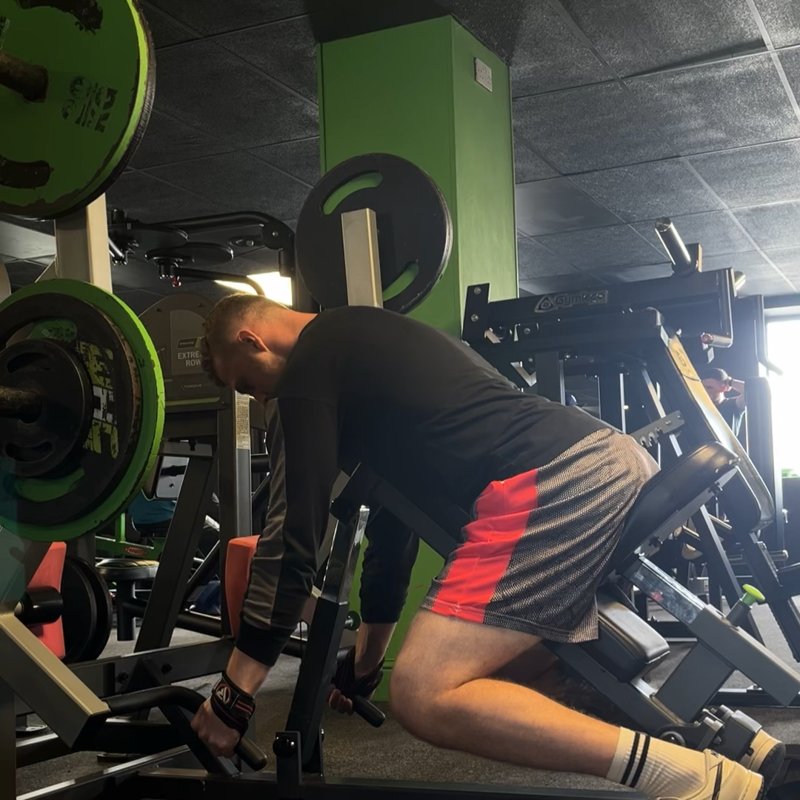
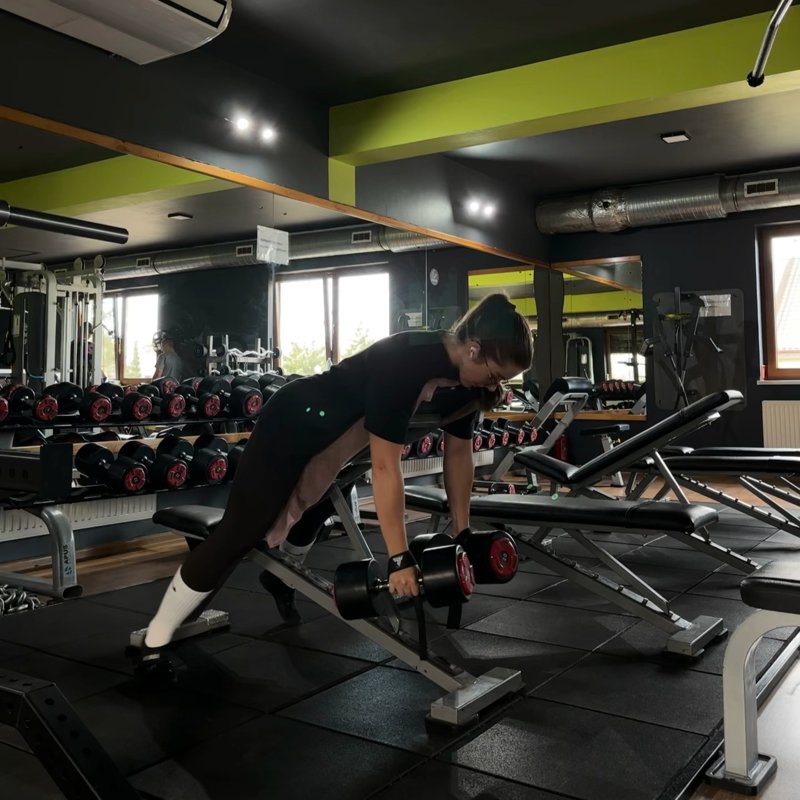
The Chest Supported Row is a horizontal pulling exercise performed with the chest braced against an incline bench, targeting the middle back muscles while minimizing lower back involvement for a safer, more isolated back training experience.
By the Gravitus Team
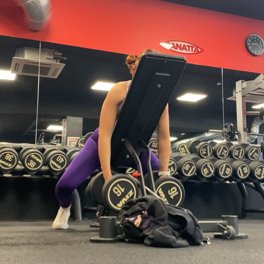
Quick Facts
Upper back development with reduced lower back involvement
Lats, Posterior Deltoids, Rhomboids, Traps
Biceps, Brachialis, Forearms, Rotator Cuff
dumbbells, incline bench
Beginner
Compound
In This Guide
Track Your Chest Supported Row Progress
Log sets, track PRs, and see your strength gains over time.


Benefits of Chest Supported Rows
Chest Supported Rows offer several distinct advantages compared to other horizontal pulling movements.
Proper Form & Technique
Muscles Worked
Common Mistakes and How to Fix Them
Exercise Variations

How to Progress
Strategic progression with the Chest Supported Row involves manipulating various training variables to continually challenge the back muscles as they adapt and develop.
Beginner Level
Start with light to moderate weights that allow 10-12 controlled repetitions with proper form. Focus on establishing the mind-muscle connection by concentrating on feeling your back muscles working throughout the movement. Perform 2-3 sets with 60-90 seconds of rest between sets. Prioritize learning to initiate the pull with your shoulder blades rather than your arms. Practice proper breathing patterns—exhaling during the pull and inhaling during the return. Keep repetitions smooth and controlled, avoiding any jerky motions or momentum. Once you can consistently perform all prescribed repetitions with good form, gradually increase the weight by 5-10%. At this stage, stick primarily with the neutral grip (palms facing each other) variation, which provides the most natural pulling position for most people. Train back 1-2 times per week, with the Chest Supported Row as one of your primary horizontal pulling movements.
Intermediate Level
Progress to moderately challenging weights that allow 8-10 quality repetitions for 3-4 working sets. Begin exploring different grip variations (pronated, supinated, wide) to target different aspects of back development. Experiment with varied rep ranges across your training week—some sessions focusing on higher reps (12-15) for metabolic stress and others on moderate reps (8-10) with heavier weight for mechanical tension. Implement techniques like paused reps (2-3 second hold at the contracted position) or controlled negatives (3-4 second lowering phase) to increase time under tension. Consider adding single-arm variations to identify and address any strength imbalances between sides. Incorporate different bench angles to slightly modify the targeting (lower incline for more lat emphasis, higher incline for more upper back). Train back 2 times per week, potentially using different row variations or approaches in each session. Begin implementing more sophisticated programming approaches like periodization to systematically vary volume and intensity across training blocks.
Advanced Level
Utilize challenging weights that allow 6-8 strict repetitions with perfect form for 4-5 working sets. Implement advanced training techniques such as mechanical drop sets (changing grip or angle mid-set to extend fatigue), rest-pause training (taking mini-breaks of 10-15 seconds during a set to extend volume), or pre-exhaustion methods (performing isolation back exercises before rows). Experiment with specialized repetition methods like 1½ reps (performing a half rep at the contracted position before lowering) or cluster sets (breaking a set into segments with brief rest periods). Incorporate periodization by cycling through strength phases (lower reps, heavier weight), hypertrophy phases (moderate reps, moderate weight), and metabolic phases (higher reps, lighter weight) over 3-4 week blocks. Consider alternating between the Chest Supported Row and other horizontal pulling variations across different mesocycles to provide novel stimulus and prevent adaptation plateaus. At this level, detailed attention to recovery modalities becomes increasingly important for continued progress, with special focus on proper nutrition, sleep, and stress management to support the increased training demands.
Frequently Asked Questions
Video Demonstrations
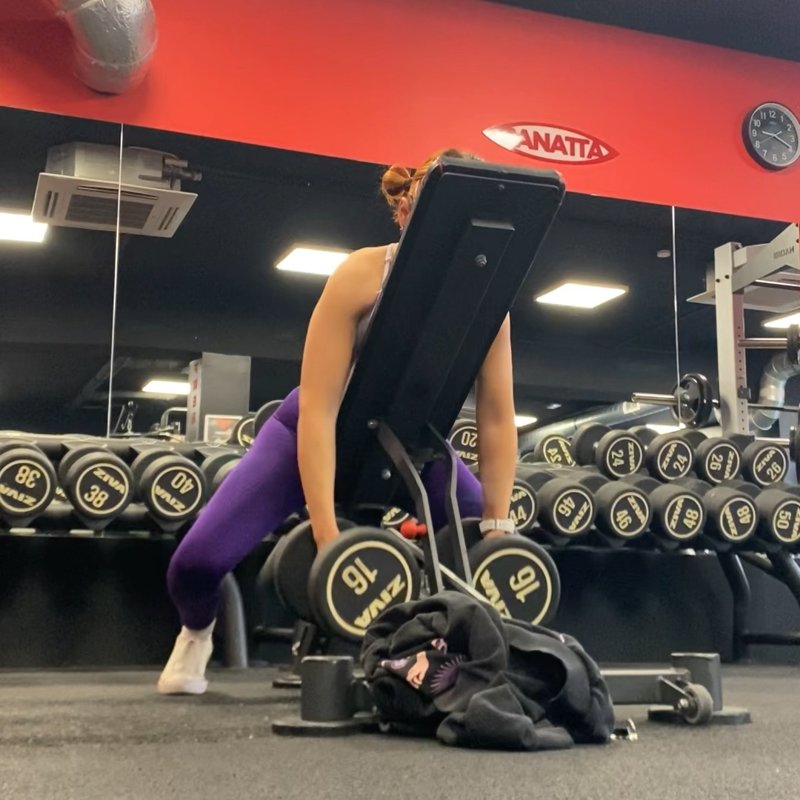
Log in to watch video demonstrations
Login to Watch3 video demonstrations available
Find more video demonstrations in the Gravitus app
Tips from the Community
-

Lock lats, flare elbows
-

Ensure good tut
-

pull from your pinkies
Ready to get serious about your Chest Supported Row?
Download Gravitus to track your sets, monitor PRs, and follow structured programs built around exercises like this.
Related Exercises
Helpful Resources
One Rep Max Calculator
Find your one rep max for any exercise without maximal testing. Essential for developing effective strength training programs.
Calculate 1RMWorkout Programs
Follow structured workout programs created by fitness professionals to maximize your strength and muscle gains.
View Programs